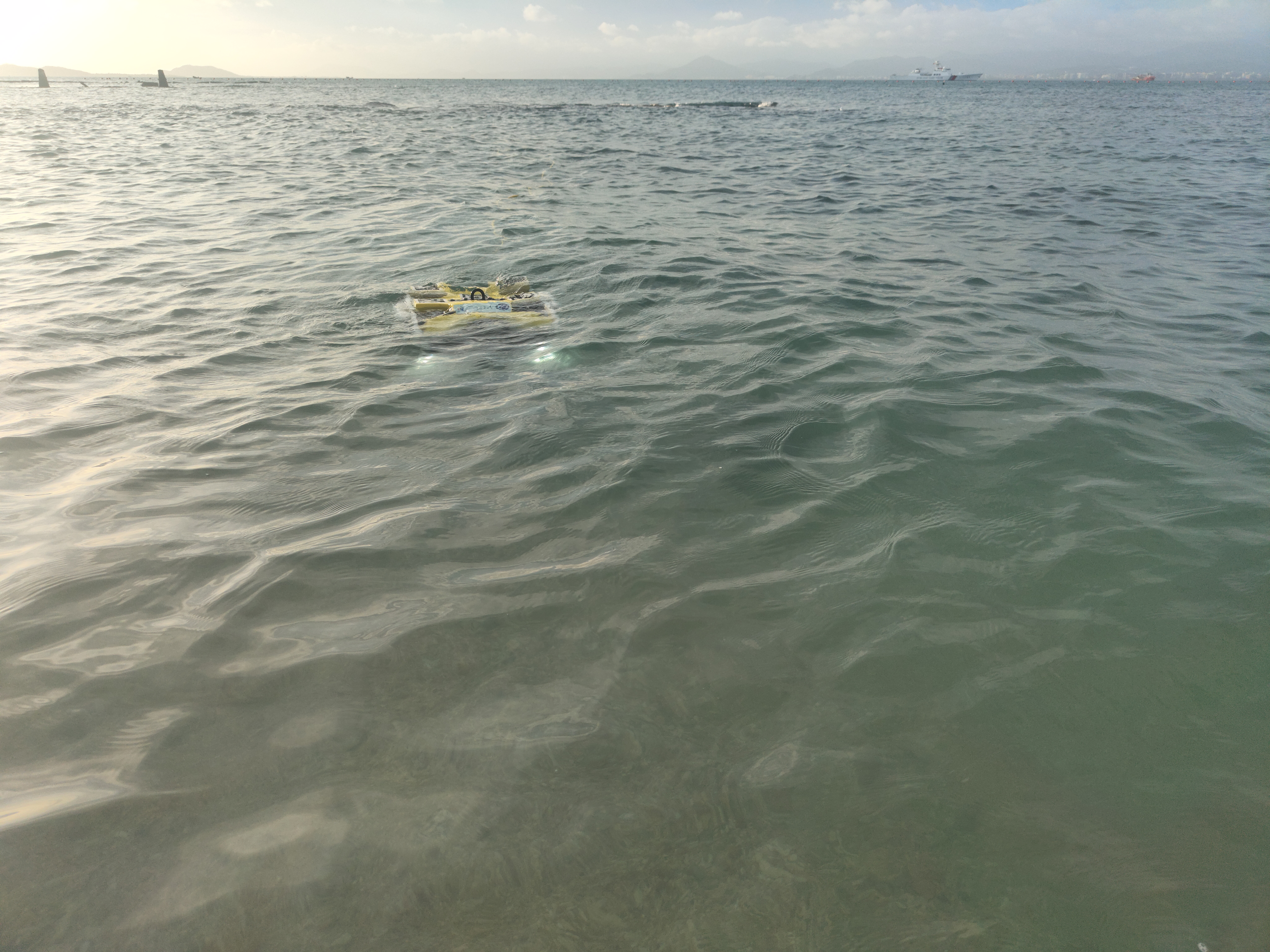
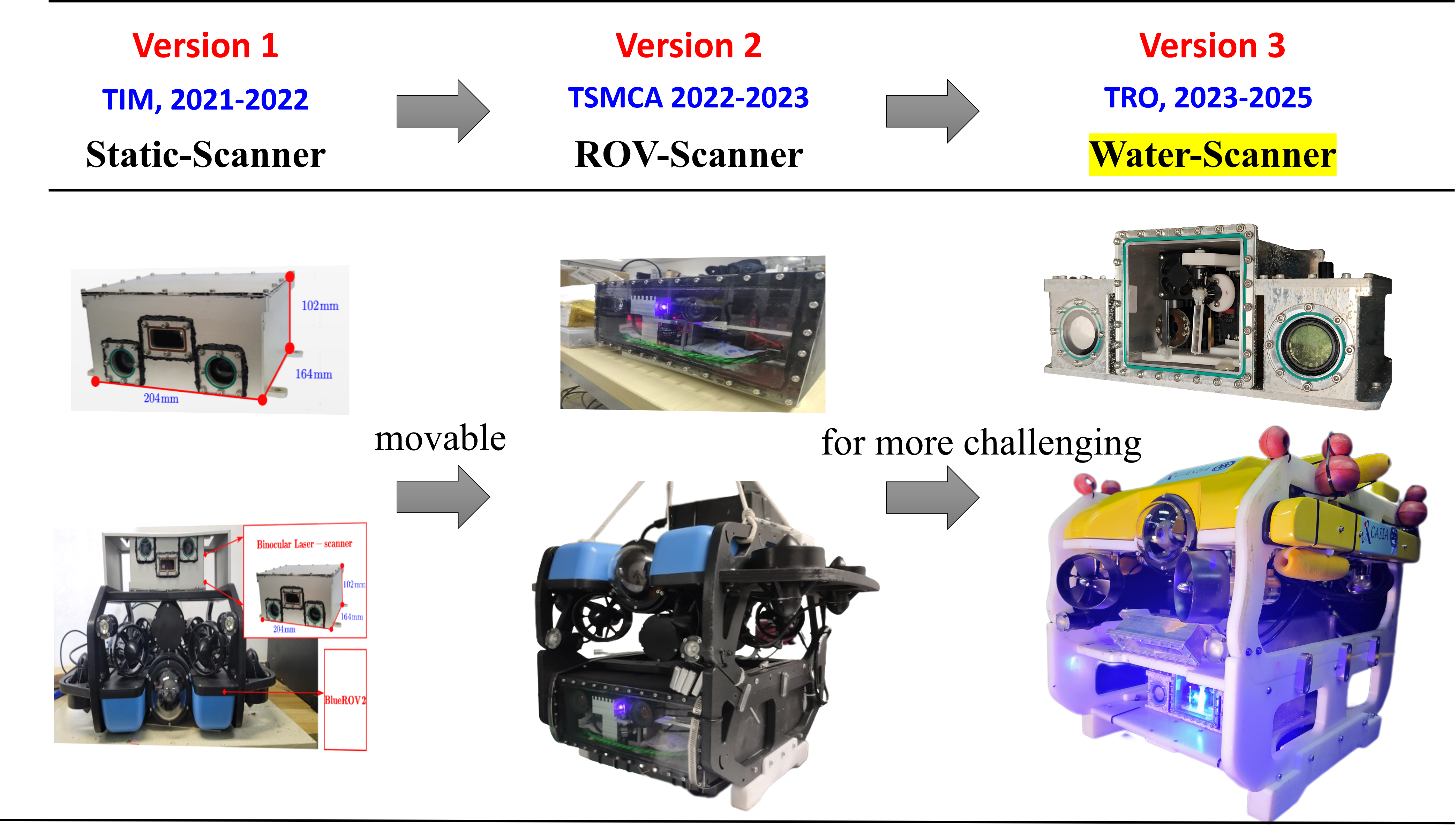
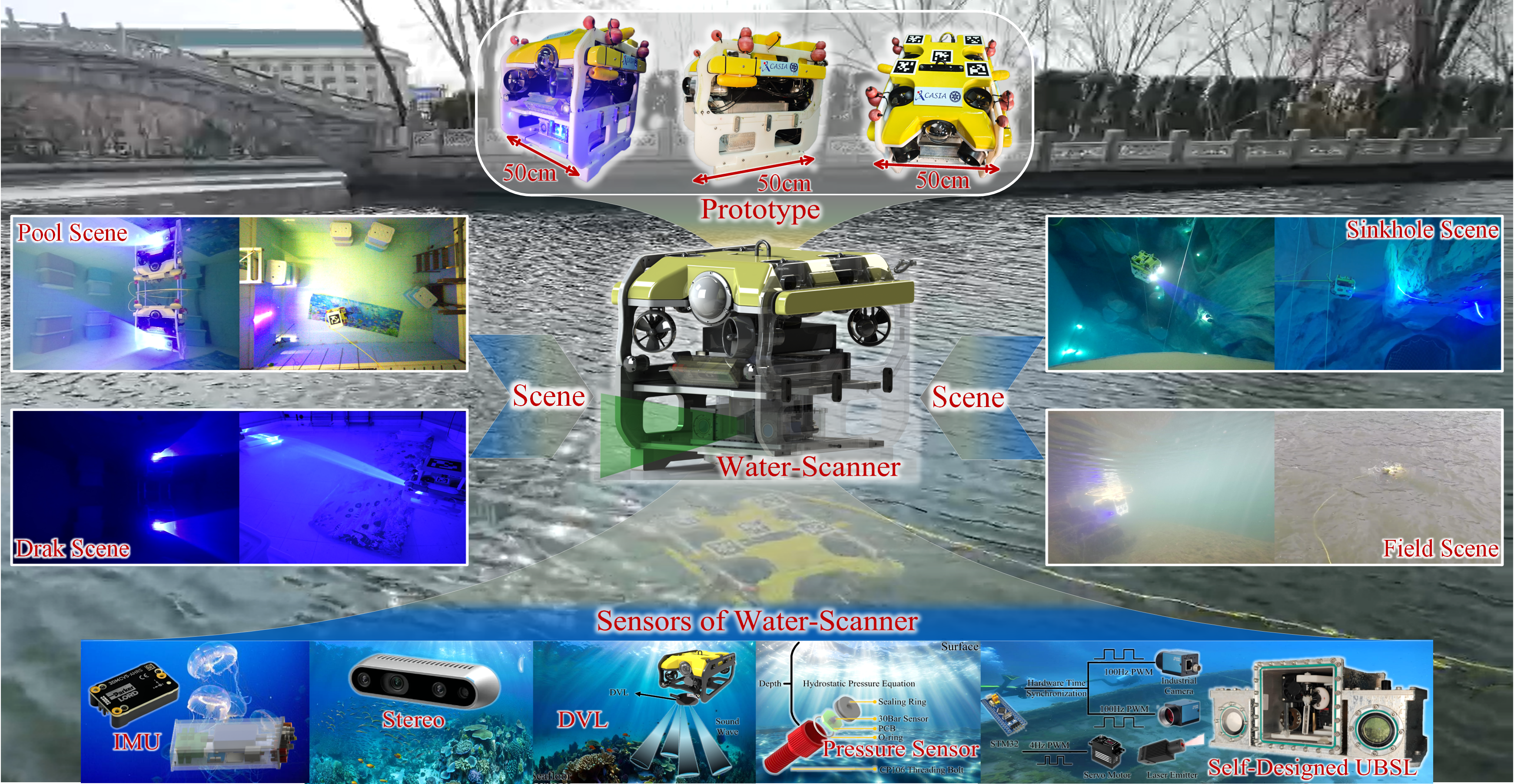
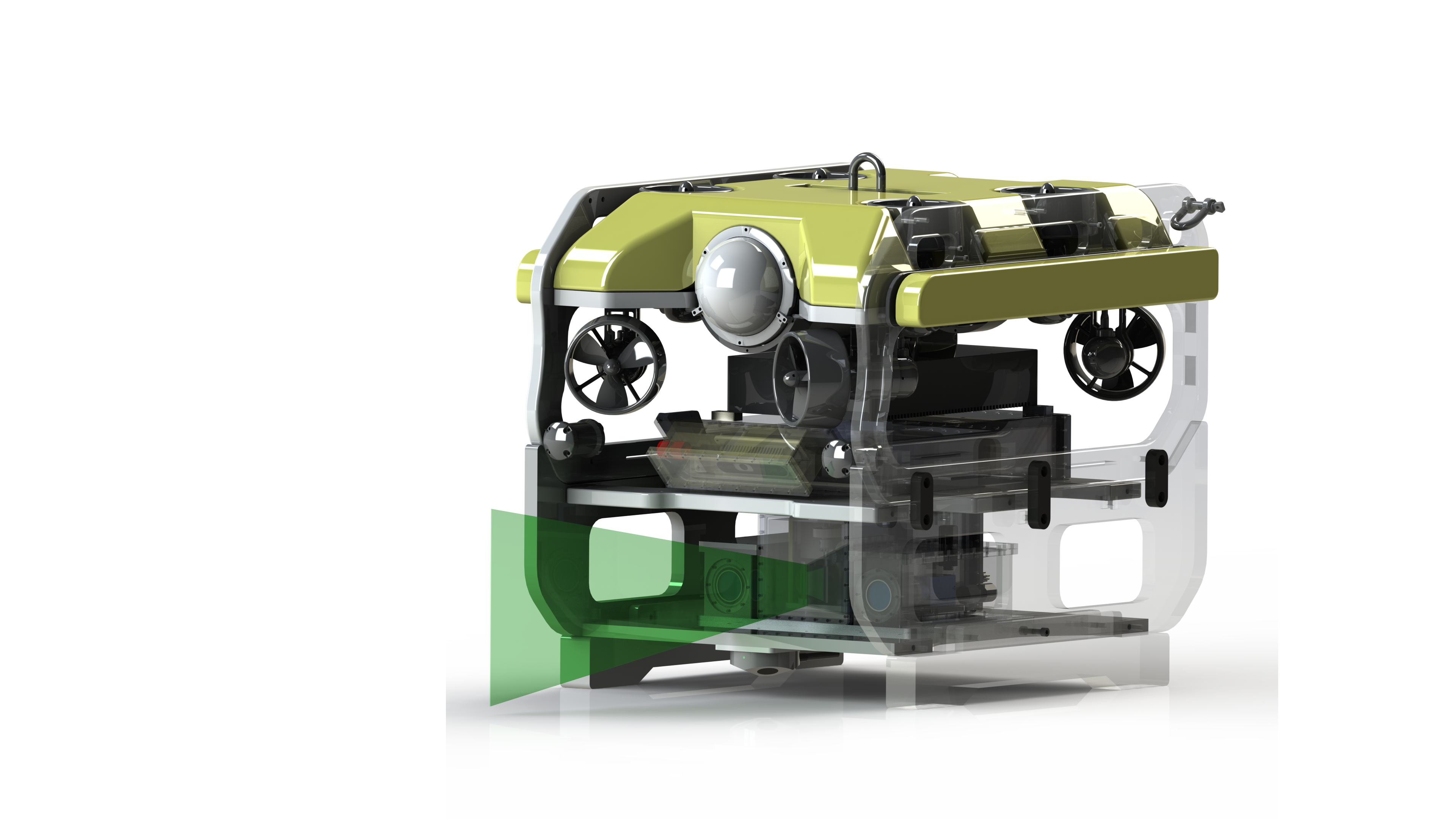
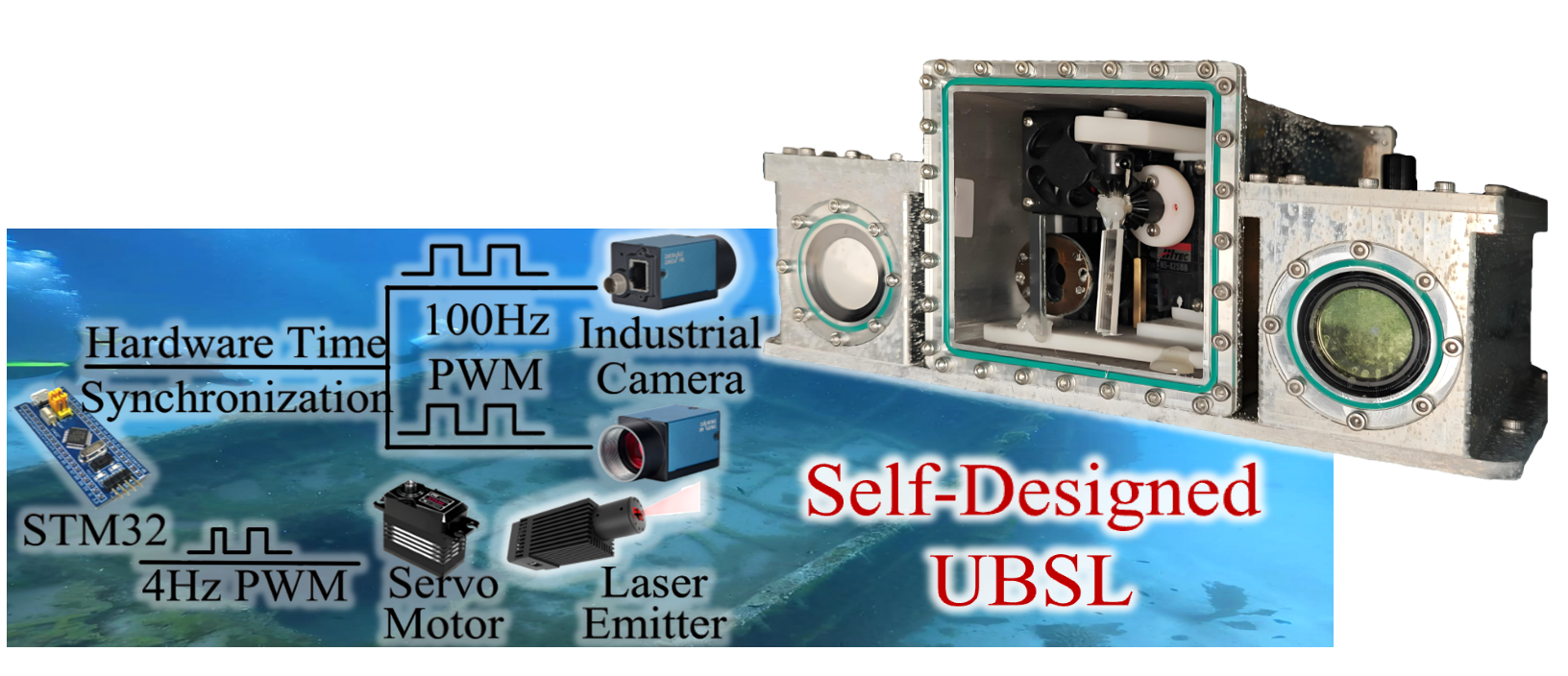
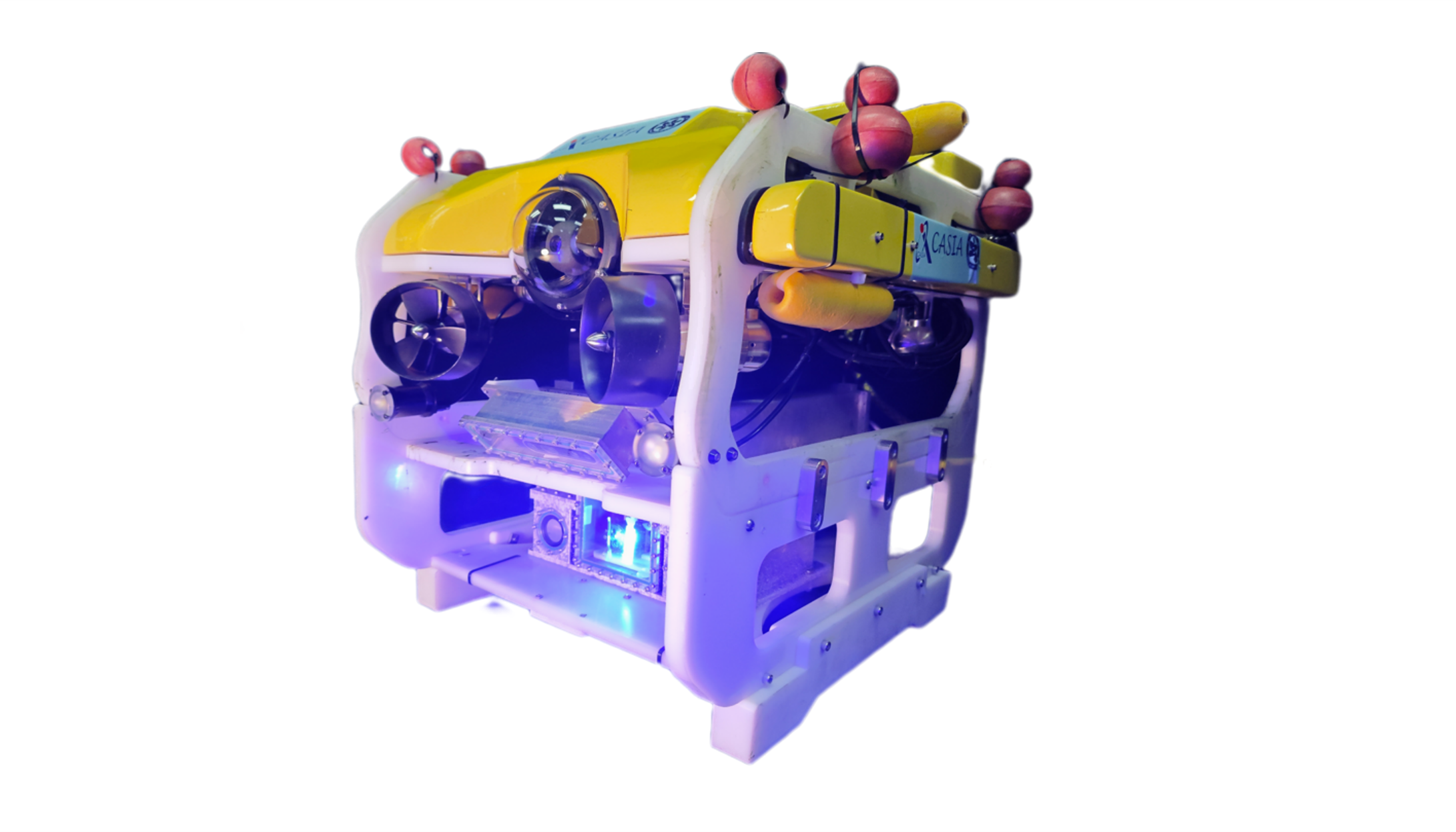
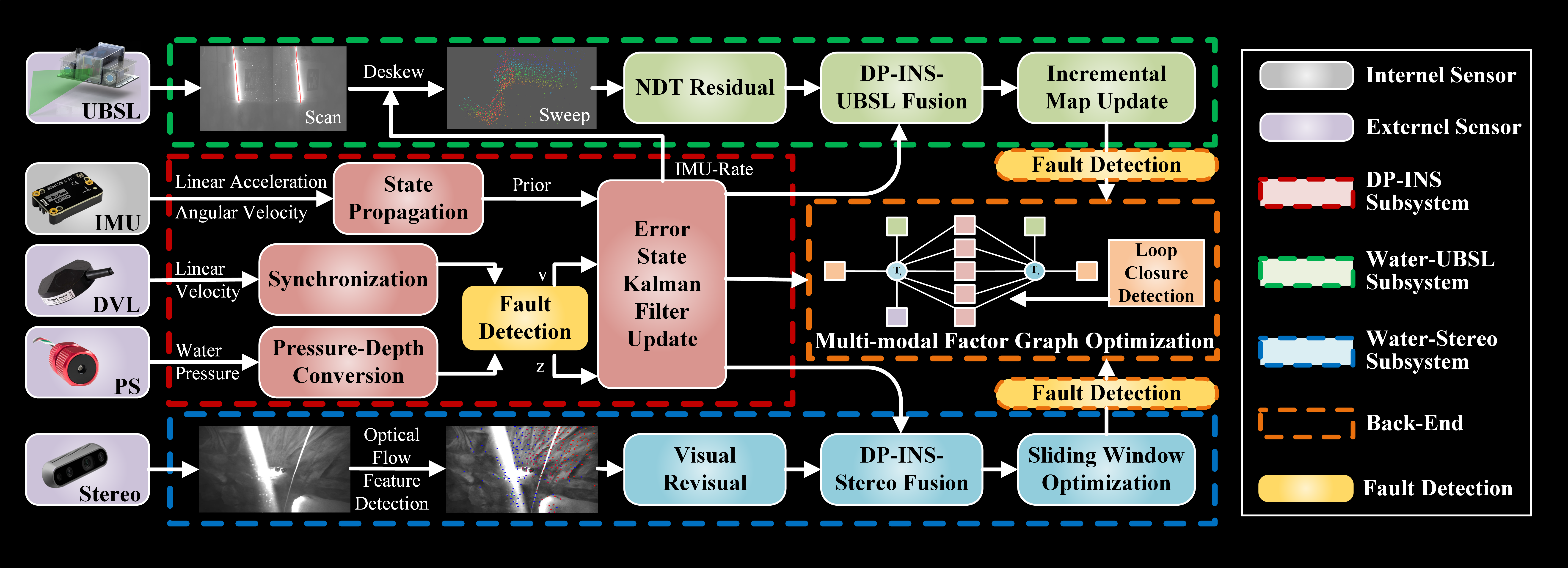
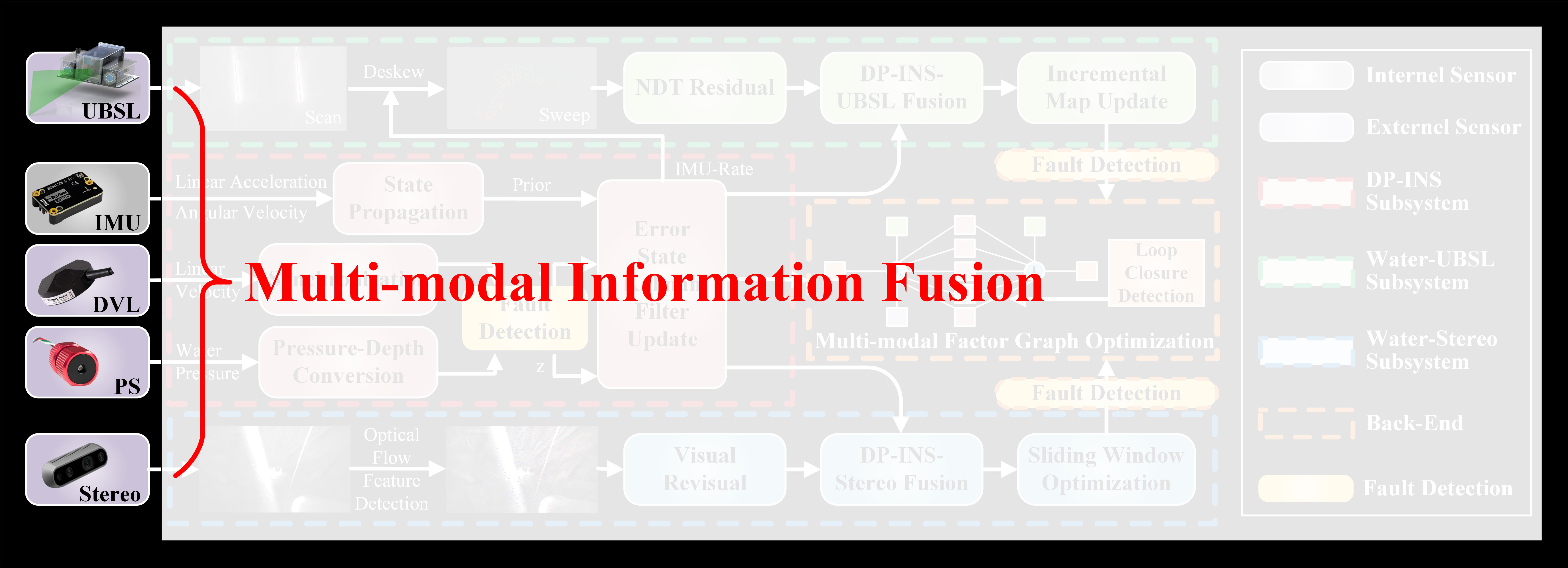
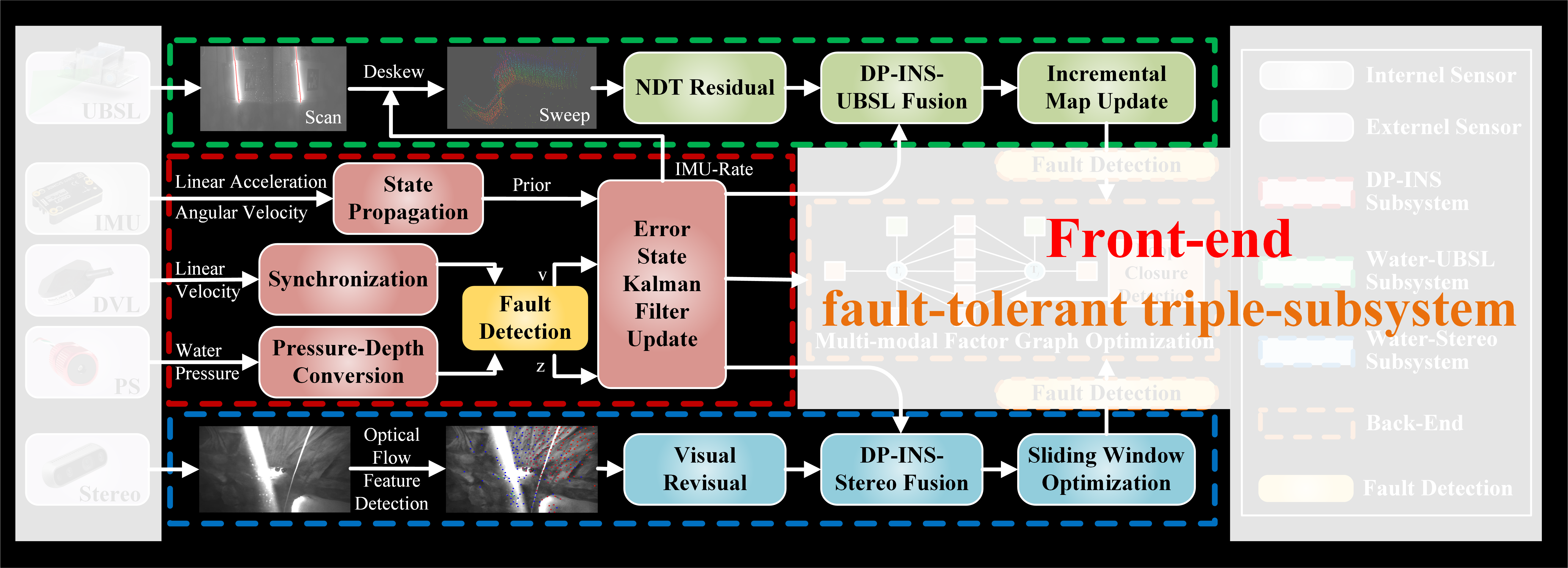
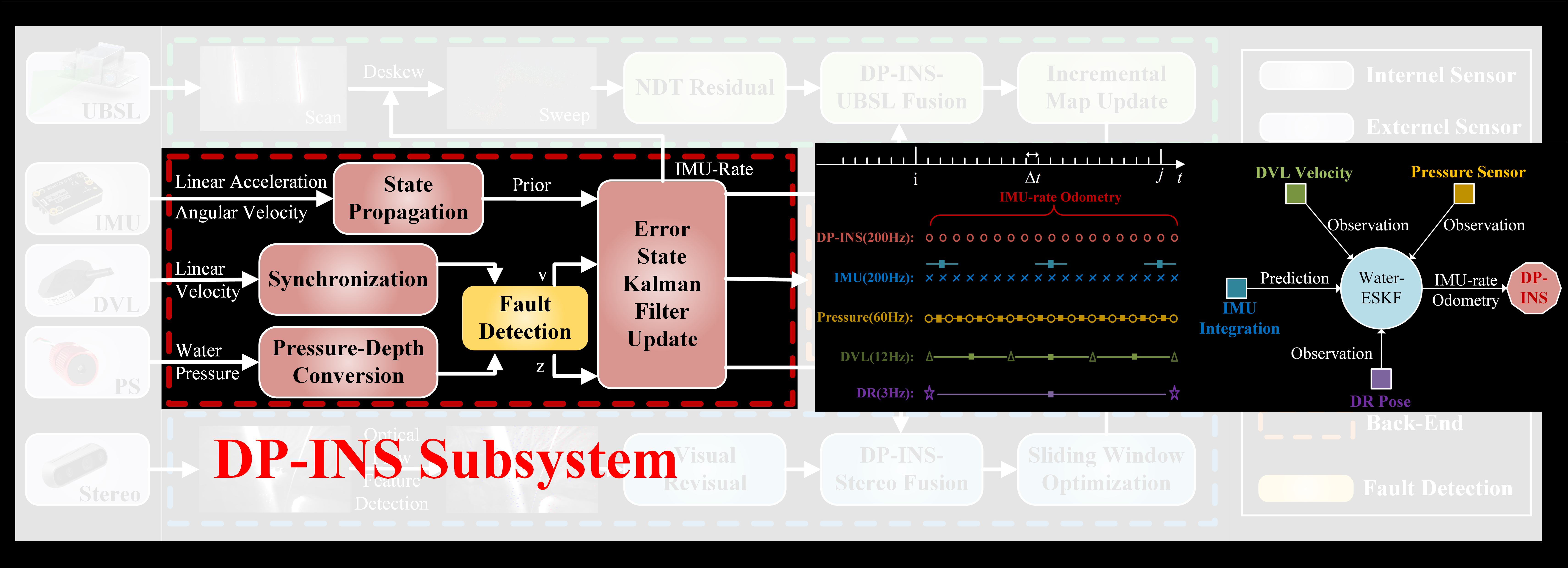
Existing underwater SLAM systems often struggle to operate reliably in underwater environments with weak texture and degraded geometry, resulting in intermittent tracking and sparse mapping. Therefore, we present Water-DSLAM, a novel continuity-oriented multi-modal dense SLAM system that leverages elastic external constraints to sustain reliable in-situ observation in diverse complex underwater scenarios. First, we develop Water-Scanner, a multi-sensor fusion robotic platform featuring a proprietary Underwater Binocular Structured Light (UBSL) module that enables accurate 3D perception to collect data. Then, a triple-subsystem front end architecture is proposed, where the DP-INS subsystem provides a high update rate for motion estimation and is tightly coupled with the Water-Stereo subsystem to enhance performance in poor visual feature environments, as well as with the Water-UBSL subsystem to improve robustness in structurally degraded scenarios. Furthermore, a multi-modal factor graph back end is introduced to dynamically fuse heterogeneous sensor data. The proposed factor graph maintenance strategy effectively handles asynchronous sensor frequencies and partial data loss. Experimental results demonstrate that Water-DSLAM is capable of sustained localization and dense mapping in multiple challenging underwater environments, including an artificial pool, a 16-meter-deep sinkhole, a natural river, and an offshore zone of the South China Sea. This work presents a system-level framework toward continuous underwater robotic dense in-situ observation under degraded sensing conditions. Our project is available at https://water-scanner.github.io/.

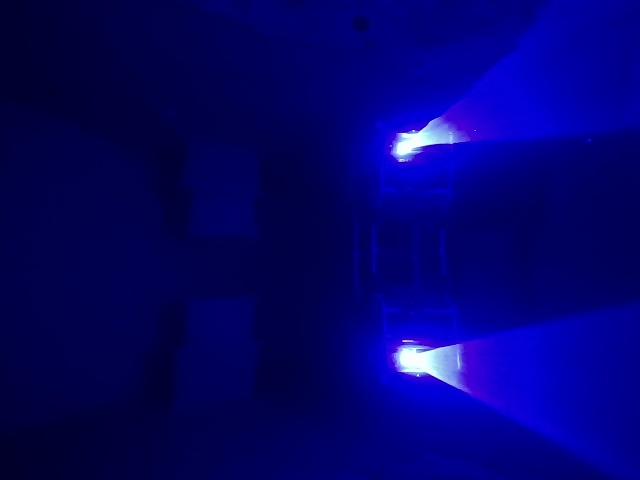
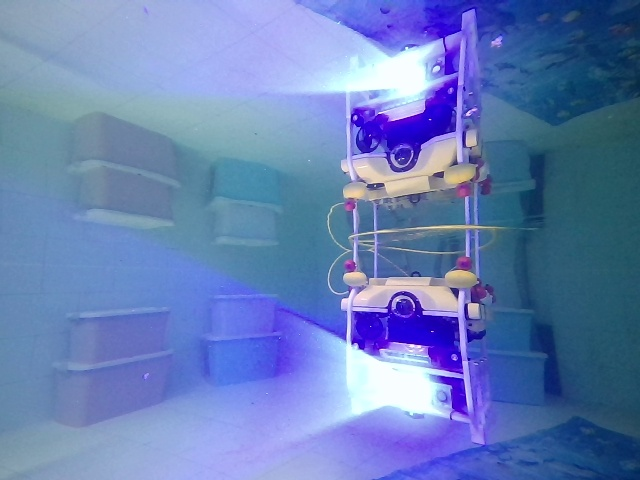
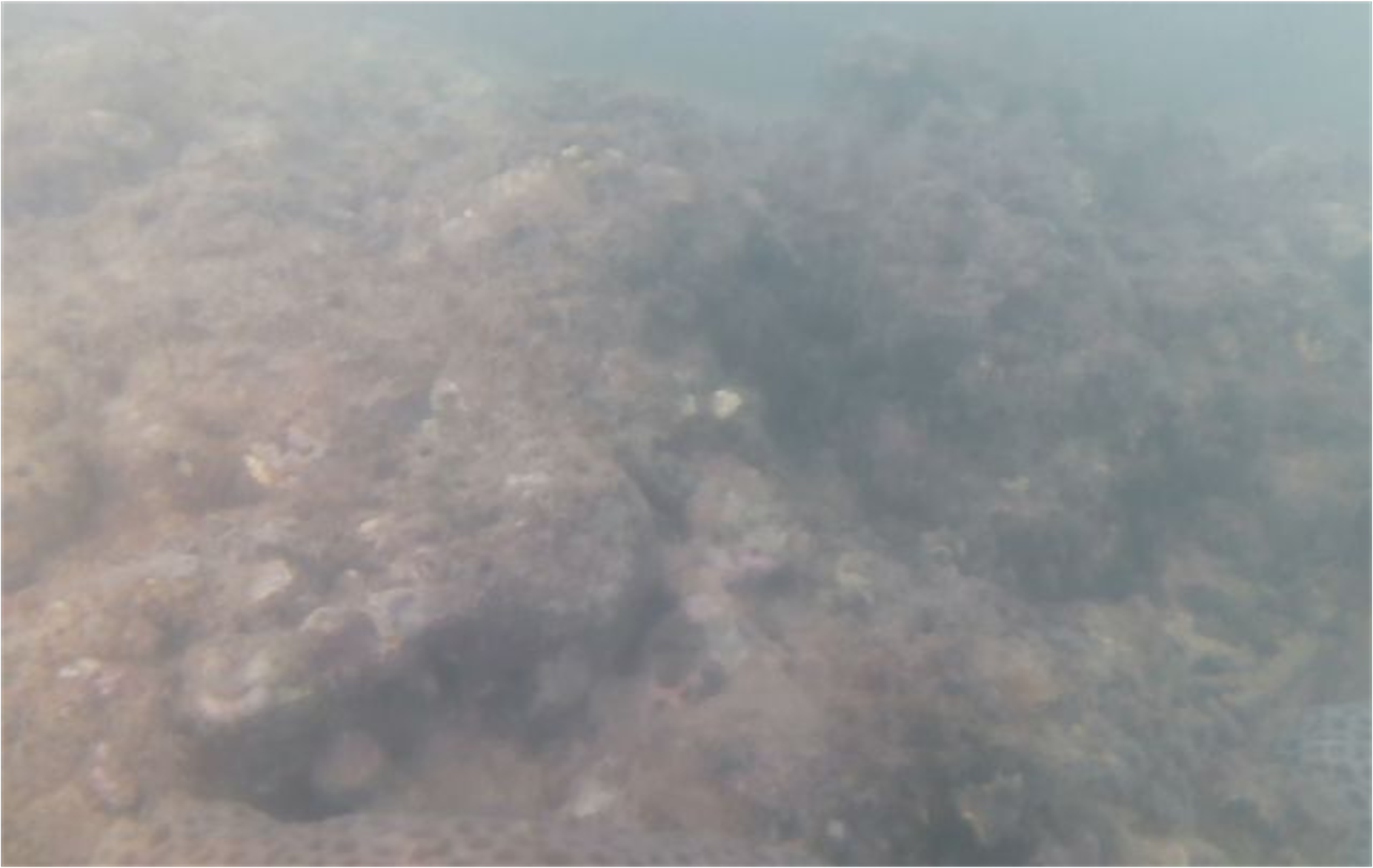

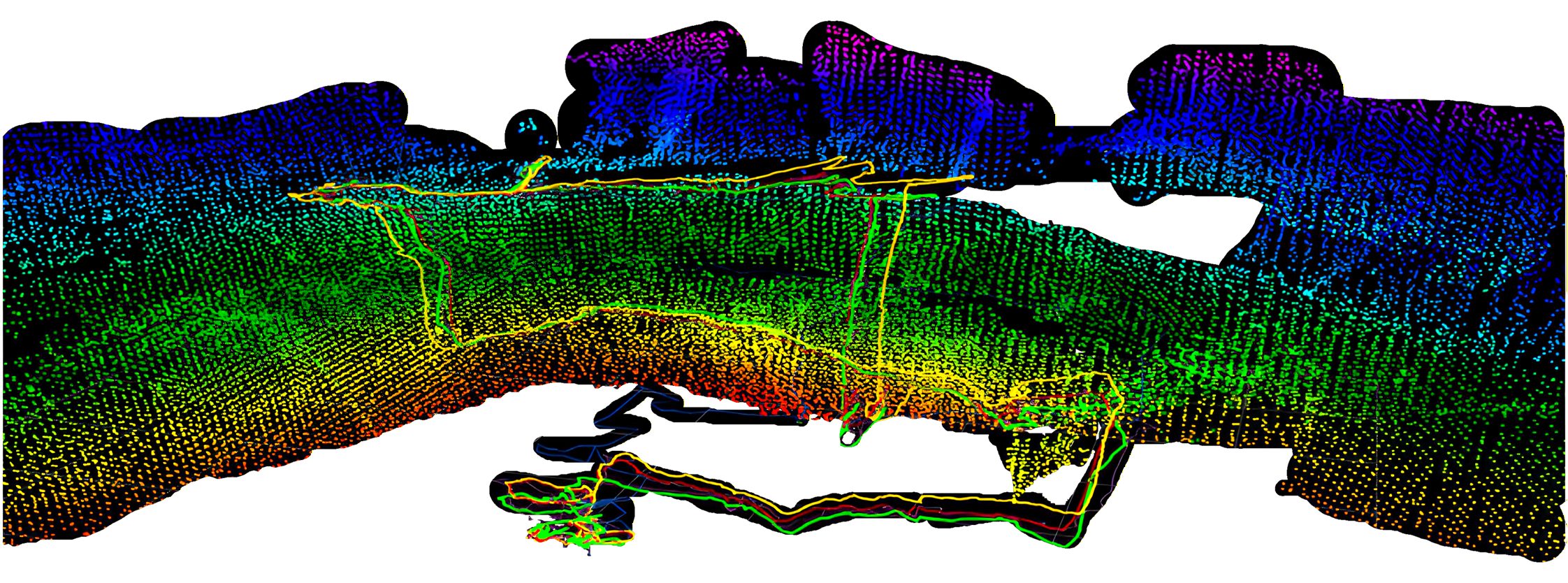
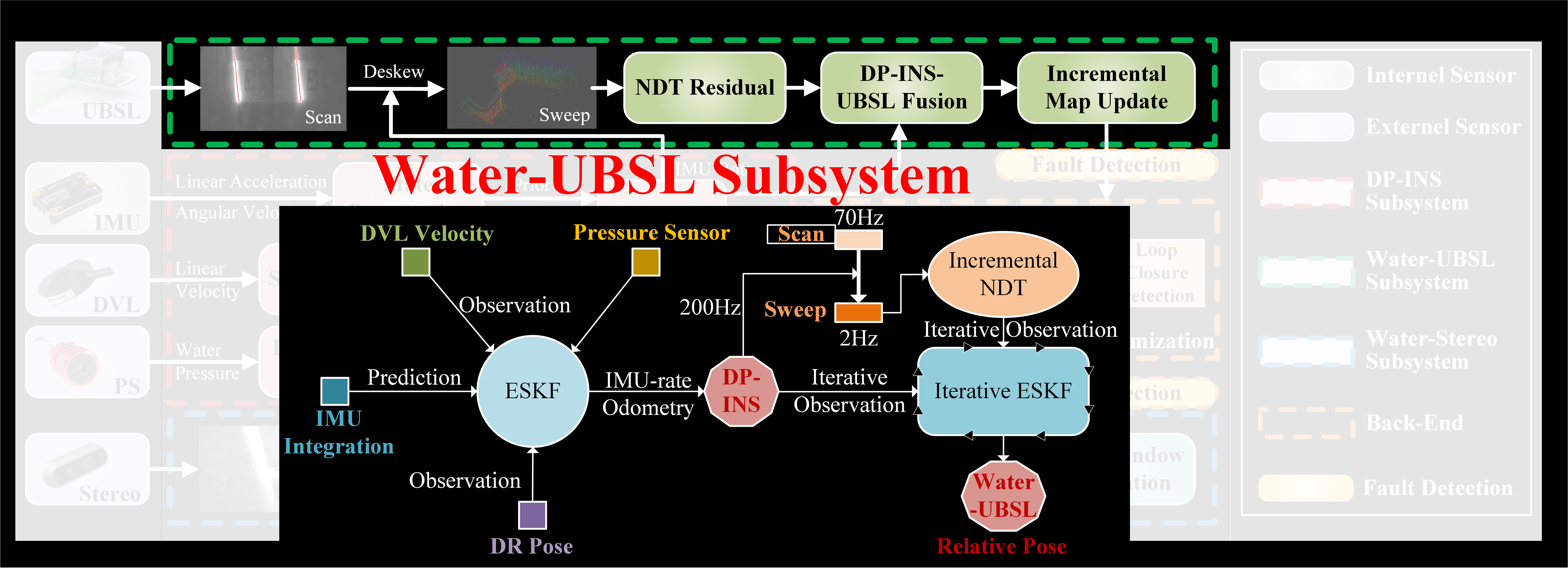
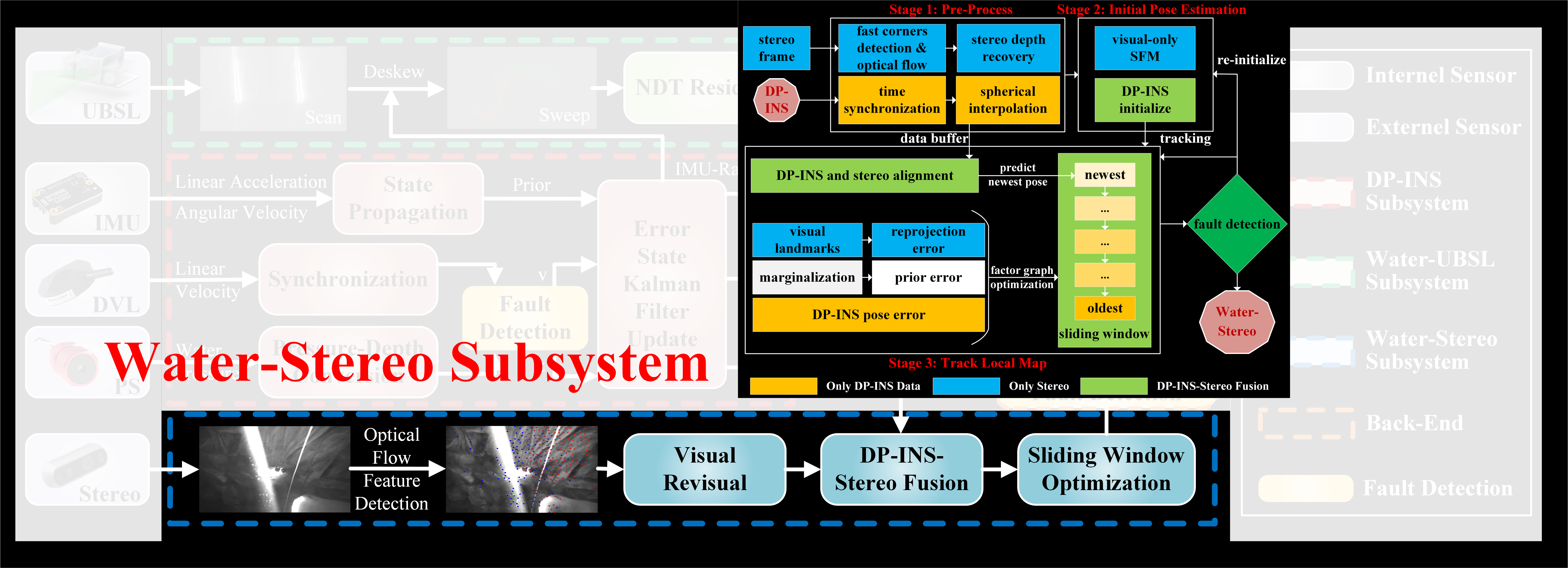
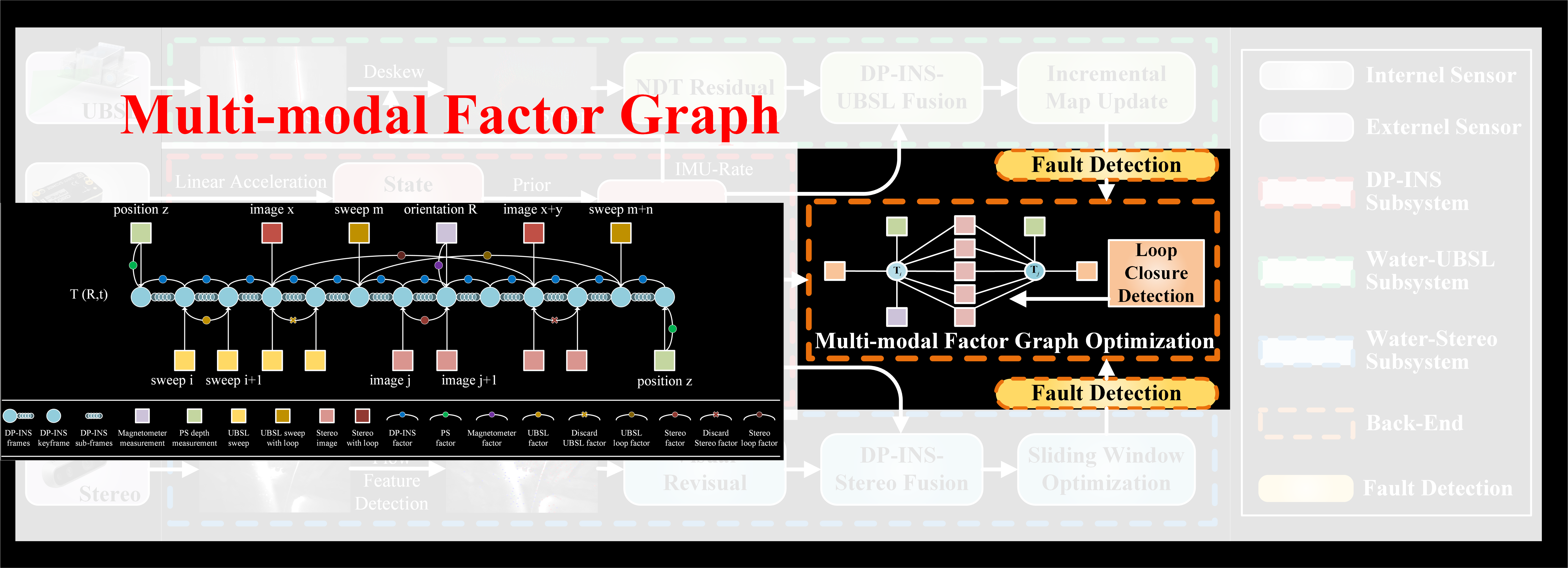
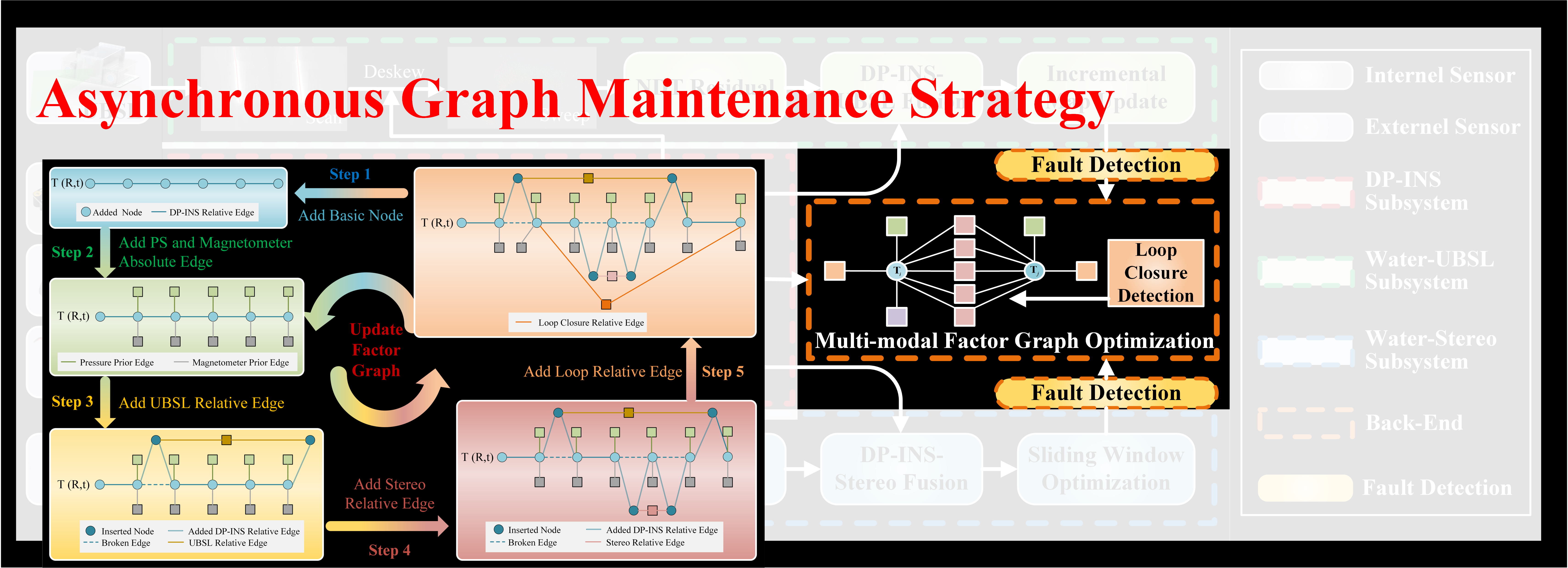
Quick Highlights: Water-DSLAM
Ablation Experiment: Multi-Subsystem Ablation Verification
Comparative Experiment: Free-Motion Dense Mapping in Pool
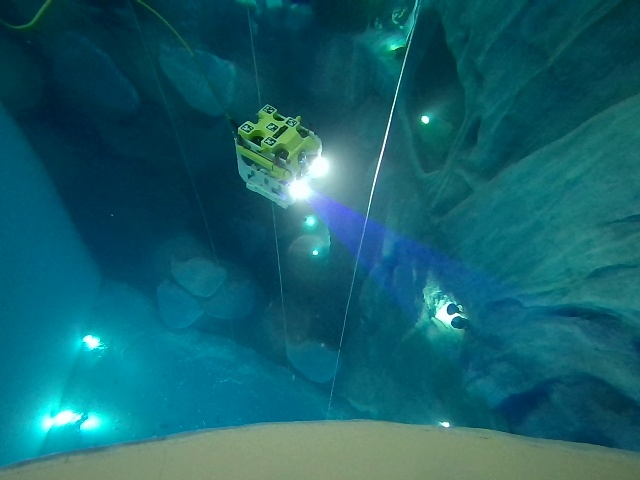
Application Experiment 1: Underwater Dark Scene In-situ Observation
Application Experiment 2: Underwater Sinkhole In-situ Observation
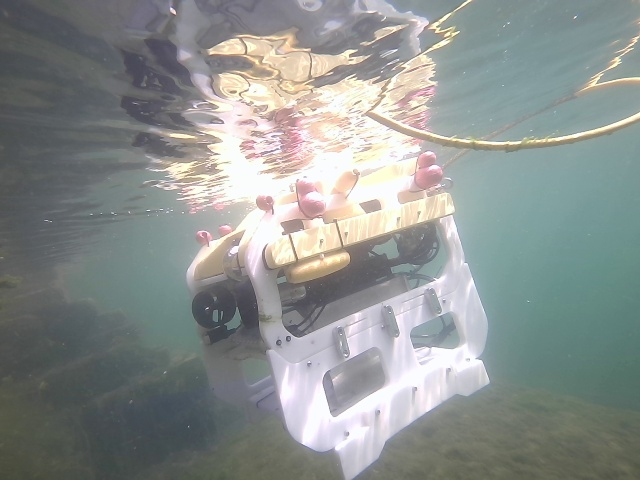
Application Experiment 3: Field River In-situ Observation
Application Experiment 4: Offsore Seabed In-situ Observation
Will come later..